A dental bridge is one of the options for replacing missing teeth. There are other cosmetic dentistry options as well and as someone who wants to reclaim the strength and attractiveness of your smile, you deserve to know about all of them.
To schedule a free consultation with experienced dentist Dr. Michael Adler to discuss our Boulder dental bridge and teeth replacement services, please call our team at 303-449-1119.
What Are Dental Bridges?
A dental bridge makes use of your natural teeth to support a replacement tooth. The two types of dental bridge at Adler Advanced Dentistry are:
- Porcelain dental bridges
- Implant-supported dental bridges
A dental bridge made from all-porcelain material will look like your natural teeth. Other types of dental bridges containing metal detract from your smile when the metal is apparent along the gum line. This type of bridge contains the replacement tooth which is "bridged" together with tooth crowns. The tooth crowns are placed on the natural teeth surrounding the missing tooth gap. Hence, the replacement tooth is supported by the dental crowns.
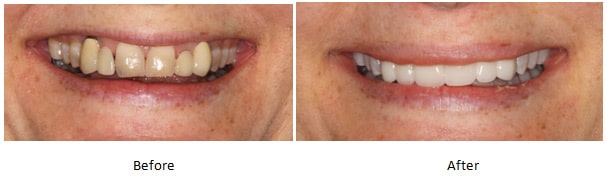
Dental implant-supported bridges are attached to dental implants placed in the bone beneath your gums. Doing so makes the dental bridge as secure and durable as possible because it's supported from beneath the gums, similar to how your natural teeth are supported by roots in the bone.
Before getting a dental bridge, some of our guests like to have their teeth professionally cleaned and whitened. If you want a whiter smile, we recommend whitening it before your dental bridge is placed. Then, the porcelain bridge can be accurately matched to the color of your brightened teeth.
The Value of Replacing Your Missing Teeth
Replacing missing teeth is important for several reasons, such as:
- Feeling great about the appearance of your smile
- Preventing other teeth from tilting and shifting
- Maintaining an aligned, comfortable bite
- Preventing muscle and jaw joint strain from a bad bite
- Maintaining your ability to chew, speak and laugh
Although there are functional, aesthetic and oral health reasons to replace missing teeth, our dentist and team empower you to make your own choices about whether you want to replace your missing teeth and how you want to do so. Your dental health is a personal matter, and we respect our guests' individual choices.
Why Choose Adler Advanced Dentistry
Choosing a dental bridge is about more than replacing a missing tooth. The restoration should also support a comfortable bite, healthy function, and a natural-looking smile. At Adler Advanced Dentistry, Dr. Michael Adler takes a comprehensive approach to restorative care, considering your teeth, gums, bite, jaw position, and overall oral health when recommending treatment. With decades of experience and extensive postgraduate training in cosmetic and neuromuscular dentistry through the Las Vegas Institute for Advanced Dental Studies, including an LVI Fellowship, Dr. Adler combines advanced techniques with an eye for both function and aesthetics.
Our Boulder dental practice also uses modern technology to help make diagnosis and treatment more precise and comfortable. Just as importantly, we believe you should be fully involved in decisions about your care. Dr. Adler takes the time to explain your options, answer questions, and help you determine whether a dental bridge or another option best fits your needs and goals. Our focus is individualized, informed care designed to ensure lifelong oral health and a smile you can feel confident about.
Frequently Asked Questions
You may be a good candidate if you are missing one or more teeth and have healthy teeth, gums, and bone to support the restoration. Dr. Adler can evaluate your bite and oral health to determine whether a traditional or implant-supported bridge is appropriate.
A well-maintained dental bridge can often last 10 years or longer. Good oral hygiene, regular dental visits, and avoiding habits that place excessive force on the bridge can help extend its lifespan.
A traditional dental bridge typically requires two or more appointments over several weeks. Implant-supported bridges take longer because the implants usually need time to heal before the final restoration is placed.
The area is typically numbed during treatment, so you should not feel pain while the bridge is being prepared or placed. Some temporary sensitivity or soreness may occur afterward.
Once you adjust, a properly fitted bridge should feel comfortable and stable when you bite and chew. It may feel slightly different at first while your mouth adapts.
Dr. Adler selects a shade that coordinates with the surrounding natural teeth. They may consider factors such as tooth color, translucency, and the overall appearance of the smile.
The porcelain used in many bridges is relatively stain-resistant, but surface discoloration can still develop over time. Coffee, tea, tobacco, and other staining substances may affect the appearance of the restoration or surrounding teeth.
Brush twice a day and clean underneath the bridge daily with floss threaders, interdental brushes, or another tool Dr. Adler recommends. Regular professional cleanings are also important.
Yes. Once you have adjusted to your bridge, you should generally be able to eat a normal, balanced diet.
You may want to wait until numbness has completely worn off before eating. You should also start with softer foods if your teeth or gums are sensitive.
It is usually best to limit very sticky gum, especially if it pulls strongly on dental restorations. Dr. Adler can give you guidance based on your bridge's type and condition.
You can continue drinking coffee and tea with a dental bridge. Keep in mind that frequent consumption may contribute to staining of your natural teeth and, over time, may affect how evenly your smile matches.
Yes. The natural teeth underneath and around a traditional bridge can still develop cavities, particularly near the edges of the restoration if plaque accumulates.
Yes, although this is not expected with a properly fitted bridge. Decay, changes to the supporting teeth, cement failure, or excessive biting forces can sometimes cause a bridge to loosen.
Possible signs include looseness, cracks, persistent discomfort, difficulty chewing, changes in your bite, gum irritation, or decay around the supporting teeth. If your bridge no longer feels secure or comfortable, it is a good idea to have it evaluated.
To schedule a free consultation to learn more about the Boulder dental bridge teeth restorations at Adler Advanced Dentistry, please call us at 303-449-1119 or contact us online today. We look forward to meeting you and discussing all of your options for restoring your smile.