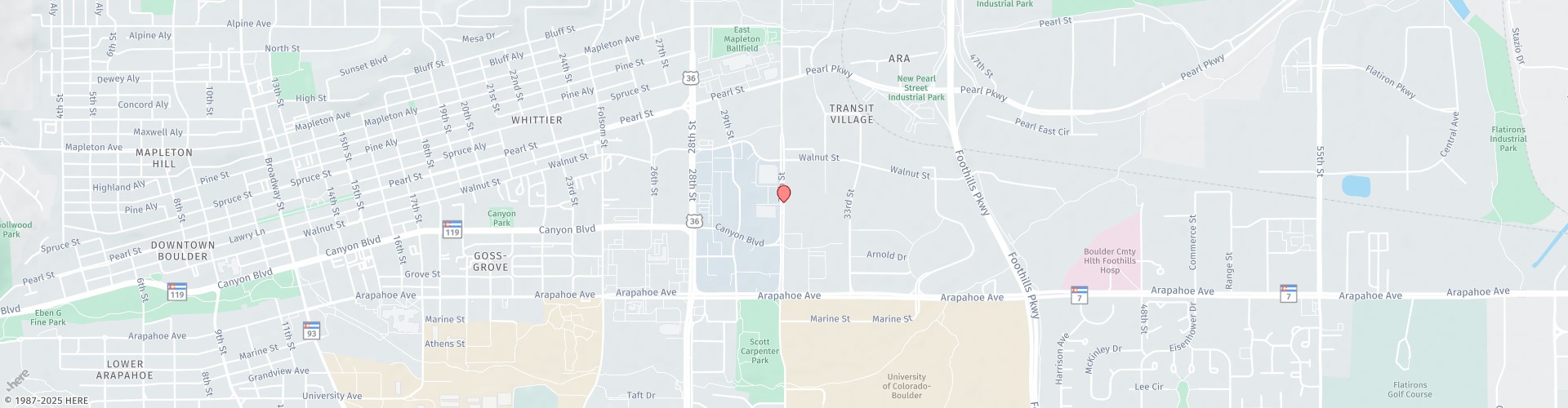

In Boulder, CO, Adler Advanced Dentistry helps guests explore TMJ and neuromuscular dentistry with care guided by Dr. Michael Adler, who has completed neuromuscular dentistry training through the Las Vegas Institute for Advanced Dental Studies. Dr. Adler was also awarded a Fellowship from LVI, which reflects his advanced training in bite-related dental concerns.
Why TMJ Treatment Timing Is Different for Everyone
TMJ disorder can involve your jaw joints, bite, muscles, teeth, posture, and daily habits. Because of that, treatment does not follow one exact timeline for every person.
Some people need help with muscle tension and jaw positioning. Others may have worn teeth, clenching, headaches, neck pain, or a bite that no longer fits together comfortably. Your timeline depends on what Dr. Adler finds during your exam and diagnostic process.
What Happens First
Your TMJ treatment usually begins with a consultation and evaluation. Dr. Adler may use K7 diagnostic technology to study how your jaw functions and where it rests. He may also recommend a CBCT scan to view the jaw and surrounding structures in greater detail, before developing a treatment plan.
The First Stage of TMJ Treatment
For many people, the first stage involves a neuromuscular orthotic device. Depending on your needs, this may be fixed or removable. During this stage, visits may be scheduled every 7-14 days, based on symptom severity. This phase is meant to help place your jaw in a more comfortable resting position and reduce strain on the muscles and joints.
When Longer-Term Care May Be Needed
After symptoms improve, some people move into a second stage of care. This stage may involve orthodontics to help maintain the corrected jaw position over the long term.
Not everyone needs this step. Dr. Adler will explain his recommendations based on your bite, symptoms, diagnostic findings, and goals.
Get Answers About Your TMJ Timeline in Boulder, CO
Jaw pain can interfere with eating, speaking, sleeping, and daily comfort. If you want a clearer idea of what TMJ treatment may involve for you, contact us to schedule a consultation with Dr. Adler. You can reach the office at 303-449-1119.