Symptoms such as headaches, teeth and jaw soreness, jaw popping, and ringing in your ears can be uncomfortable and frustrating to live with, especially if your doctor cannot diagnose the cause. These symptoms can go on for many years.
Neuromuscular dentistry deals with problems in the relationship between your teeth, jaw joints and muscles known as Temporomandibular Joint (TMJ) Disorder. If you've been living with chronic facial and jaw pain, Dr. Michael Adler can help you experience the relief you seek.
For a free consultation at our Boulder dental office, please call Adler Advanced Dentistry at 303-449-1119.
What Is Neuromuscular Dentistry?
Neuromuscular dentistry is the science of occlusion (your bite), but it deals with much more than just the way your teeth come together. Neuromuscular dentistry also evaluates the jaw joints and the muscles in your head, neck and back, as well as how they affect your total body posture. While traditional dentistry focuses primarily on the teeth, bones and gums, neuromuscular dentistry works with the complex relationship between the hard tissues, soft tissues, muscles and nerves.
The goal of neuromuscular dentistry is finding the most relaxed and comfortable jaw position. Strain is caused when your jaw is misaligned, and you may experience a variety of painful symptoms as a result.
One of the most common issues caused by a poorly aligned bite is temporomandibular joint disorder (TMJ or TMD). This painful condition originates from a poor relationship between your jaw joints and the muscles and nerves of your head and neck. Dr. Adler can use the principles of neuromuscular dentistry to place your jaw into its optimal position, relieving the symptoms associated with TMJ.
TMJ Symptoms
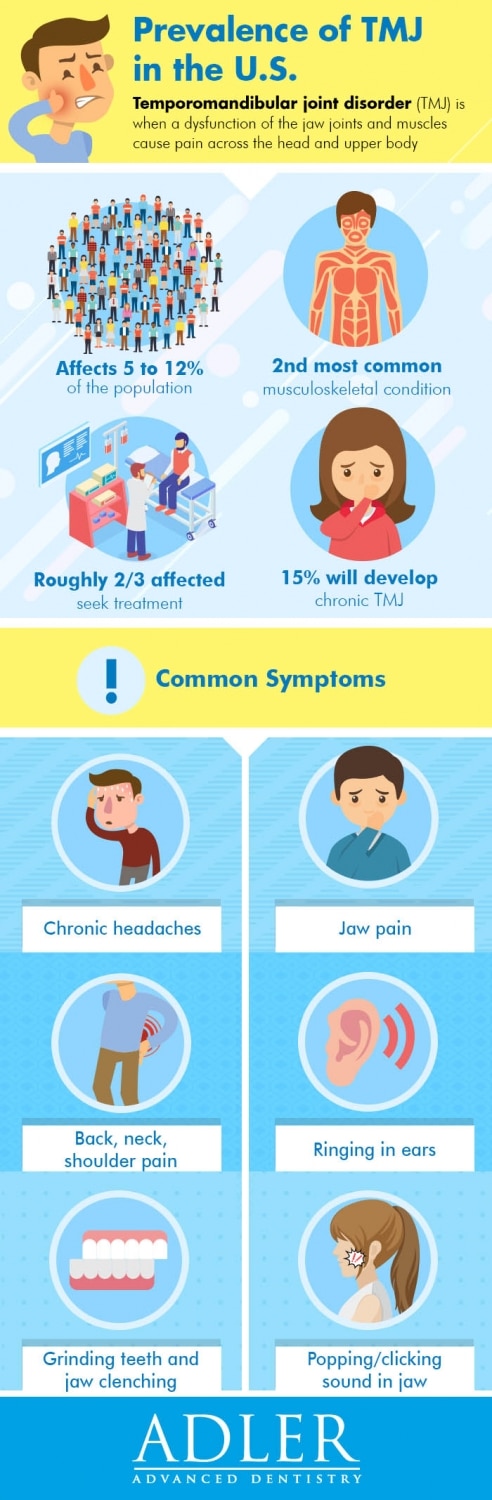
TMJ can refer to any number of issues that impact the proper alignment of the jaw. Because it occurs in the jaw joint, swelling and pain in the area are two of the most common TMJ symptoms. These may be accompanied by:
- Clicking, popping, or grinding noises
- Difficulties opening and closing the jaw
- Complete lockjaw
In addition to symptoms that can occur in and around the jaw joint, TMJ may result in painful symptoms located in other regions, including:
- Chronic headaches
- Ear ringing and pain without the presence of infection
- Pressure and pain in and around the eyes
- Generalized facial pain
- Neck, shoulder, and back pain
When left untreated, TMJ may also cause postural problems and digestive issues, along with oral health concerns such as uneven tooth wear and premature tooth loss.
Jaw Pain
Chronic jaw pain is one of the most common warning signs of TMJ. Sometimes, this jaw pain may extend into your head, neck or back, which can make it challenging to identify the source of the problem.
In order to determine whether your jaw pain is being caused by TMJ, you will need to undergo a thorough neuromuscular dentistry evaluation.
In order to determine whether your jaw pain is being caused by TMJ, you will need to undergo a thorough neuromuscular dentistry evaluation.
When your jaw is misaligned from TMJ, it impacts your trigeminal nerve, which is the largest nerve in your cranium. The trigeminal nerve runs through your jaw and is responsible for sensation input to the brain associated with the joints and muscles of this region. TMJ causes tension in your jaw joints and muscles which compresses the trigeminal nerve. This is often the cause of chronic jaw pain and many other painful TMJ symptoms such as headaches, ear aches and facial pain.
The only way to relieve this pressure on your trigeminal nerve is to restore proper alignment to your jaw. Dr. Adler will place your jaw in its ideal resting position, alleviating the painful symptoms you experience.
Back, Neck and Shoulder Pain
Chronic back, neck and shoulder pain can often be difficult to diagnose. If you have visited several different doctors and specialists without learning the source of your problem, you may want to schedule an evaluation with Dr. Adler. Often, these issues are caused by TMJ.
Your jaw muscles extend from ear to ear and interact with many of the muscles in the neck region that maintain proper alignment of your spine. When your jaw is misaligned, it causes the surrounding muscles to work harder in order to maintain proper balance and head posture. When your jaw muscles become fatigued, it forces the muscles in the back, neck and shoulders to assist with these important functions. This can cause you to experience pain in these areas of your body.
By restoring a properly aligned bite, Dr. Adler can help relieve the strain on your jaw muscles, allowing them to function properly. This will typically alleviate the chronic back, neck and shoulder pain that occurs when the muscles in these areas are forced to work overtime assisting your jaw.
Chronic Headaches
Chronic headaches can be debilitating and painful. While it is often difficult to pinpoint the exact cause of chronic headaches, there is a significant amount of research indicating they may be caused by jaw alignment issues associated with TMJ.
The muscles of the temple area of the forehead play an important role in the posturing and closing of the jaw. If your bite is not right, it can lead to abnormal tension in these muscles, which is one potential cause of chronic headaches. If the bite is not corrected, the muscles may remain tense for extended periods of time. The contracted muscles get no rest, and poor circulation in these muscles develop, resulting in pain (a headache).

Dr. Adler can restore your jaw to its ideal resting position, which will eliminate the tension in these muscles and alleviate the headaches that often result from this muscle tension.
Ringing in Your Ears (Tinnitus)
It is common for TMJ patients to complain of ringing in their ears (tinnitus), or vertigo. This symptom is commonly misdiagnosed and often goes untreated. In many cases, ringing in the ears occurs when your jaw isn't properly aligned.
The jaw area of the face is a complex network of muscles and nerves. When the bite is misaligned, the muscles and nerves throughout the head, including the ears, can be affected. The reason is that the same nerve (the trigeminal nerve) feeds all of the muscles in this region, including two important ear muscles.
If Dr. Adler determines the cause of your tinnitus to be an unstable or misaligned bite, he can solve the problem by stabilizing the bite and restoring your jaw to its ideal resting position.
Teeth Grinding/Jaw Clenching
If your teeth don't come together in an optimal bite, the result is subconscious clenching or grinding of the teeth. This causes pain in the muscles of the head, face and neck.
Teeth grinding (bruxism) is a most destructive habit. The joints, muscles, and teeth are essentially at war with each other. Your teeth become worn and can crack or shift from the forces of bruxism. The enamel can flake off at the gum line, causing notching on the teeth receiving the most excessive forces.
Dr. Adler can devise a TMJ treatment plan that will restore a properly aligned bite and help you stop grinding your teeth. This will not only alleviate any painful TMJ symptoms you may experience, but it will also reduce your risk of developing many of the harmful oral health conditions associated with bruxism.
TMJ Treatment
Your TMJ treatment starts with a complimentary consultation at our Boulder dental office. First you will meet with Carly, our Director of Operations. She will gather all necessary patient information and have you fill out a detailed questionnaire to learn more about your condition. You will then meet with Dr. Adler for an evaluation and to discuss treatment options.
Am I A Candidate for TMJ Treatment?
After having your initial consultation with Dr. Adler, your candidacy for TMJ treatment will be evaluated. However, most people who are suffering from jaw pain that affects their ability to eat or speak are typically eligible for this treatment. Ideal candidates for this treatment should be non-smokers or at least willing to stop smoking for the duration of their treatment and recovery. This is because smoking can lead to poor oral health and infection during the recovery process. The healthier your body during TMJ treatment, the easier your recovery will be.
What Happens If I Leave My TMJ/TMD Symptoms Untreated?
Symptoms of TMJ or TMD may start as mild jaw pain, but a common misconception among patients is that they think this pain can go away on its own. Over time, this mild pain may get worse and cause discomfort while eating, drinking, talking, and even smiling. Leaving these symptoms untreated can lead to severe, chronic pain that spreads from the jaw to the head, face, neck, or back.
It’s always best to get evaluated by a dental professional regarding any jaw pain because even if you are not determined a candidate for TMJ treatment, there may be other treatments you can undergo that will help relieve your pain.
What Is Recovery from TMJ Treatment Like?
Most patients can recover from their TMJ treatment after a full six weeks since your procedure has passed. During this six-week recovery time, patients may experience soreness, pain, and slight tenderness from any jaw movement. Preparing for easy-to-eat meals and a gentle lifestyle during recovery can help patients get through the healing process a lot smoother. It’s recommended to prepare for at least a three-week period off from work or commit to a less-active lifestyle until the initial side effects from surgery wear off. Seeking support from family members and friends as you recover can also ease recovering patients.
As long as aftercare guidelines recommended by Dr. Adler are followed, patients should not experience any complications during their recovery. Being gentle with the jaw and the face while you recover is essential. After six weeks of recovery, many patients are able to enjoy eating, drinking, and talking pain-free.
If Dr. Adler thinks you will benefit from a neuromuscular dentistry treatment plan, he will administer a K7 evaluation. The K7 is a diagnostic tool that allows Dr. Adler to gather detailed information about the function of your jaw. It uses electromyography and joint sonography to track the position of your jaw and the associated muscles in order to identify the ideal resting position for optimal jaw functioning.
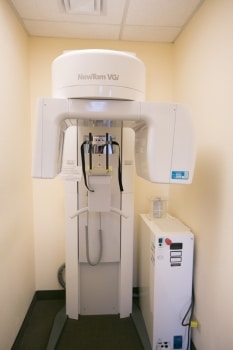
Often, Dr. Adler will also recommend a 3D image/CBCT scan of the head and neck, especially if you have suffered an injury. Our state-of-the-art Newtom dental 3D imaging system provides much more detail than can be observed from traditional x-rays.
It allows Dr. Adler to study the positioning of your jaw from every possible angle. This comprehensive information is crucial to determining the proper TMJ treatment course to address your condition.
After we receive the data from your K7 diagnostic exam and CBCT scan, you will return to our office for another complimentary consultation. During this appointment, Dr. Adler will go over the results of your scans and discuss possible treatment options.
In most instances, the first stage of TMJ treatment will be a neuromuscular orthotic device. There are two different types:
- Fixed orthotic device
- Removable orthotic device
Dr. Adler will recommend the best option for your unique needs. During your orthotic treatment, you will visit our office every 7-14 days depending on the severity of symptoms. At these appointments, you will receive:
- TENS therapy -- The TENS (transcutaneous electrical nerve stimulation) unit allows your jaw muscles to relax and detox. When you receive the relaxing TENS therapy, you will be able to enjoy our comfortable treatment room, complete with a zero gravity chair, relaxing heat packs, aromatherapy and cozy blankets.
- Physical therapy -- After TENS, Dr. Adler performs physical therapy techniques to enhance and extend your comfort. His technique typically includes stretching the neck, an act that releases lubricating fluid in your joints and creates more space between the cervical vertebrae. Your therapy may also include shoulder stretching and alignment techniques to address the tension resulting from neuromuscular imbalances.
If there are improper muscle functions of the tongue and face contributing to your TMJ, Dr. Adler may recommend myofunctional therapy in addition to an orthotic device.
Once your orthotic treatment has restored proper bite alignment and your painful symptoms have been alleviated, you will move onto the second stage of your TMJ treatment. This phase of your treatment involves permanently moving your jaw into its proper resting position. Depending on your unique condition, Dr. Adler may recommend one of the following procedures:
Causes of TMJ Disorder
- Bruxism (grinding/clenching): Overworks jaw muscles and joints (often at night).
- Bite misalignment: Uneven bite strains the TMJ over time.
- Stress/tension: Triggers daytime clenching and muscle tightness.
- Injury/trauma: Impact can irritate or damage the joint.
- Arthritis/degeneration: Inflammation or wear affects the TMJ.
- Disc displacement: Can cause popping, locking, or pain.
- Poor posture: Neck strain increases jaw stress.
- Overuse (gum/hard foods): Excess chewing worsens irritation.

Lifestyle Changes to Manage TMJ Pain
Simple habit changes can ease TMJ pain and help prevent flare-ups by reducing stress on the jaw.
- Rest your jaw: Skip gum, nail biting, chewing ice, and clenching. Avoid holding your phone or other items between your shoulder and jaw.
- Eat softer foods: Choose soft, easy-to-chew options during flare-ups and cut food into small pieces. Limit crunchy, chewy, or tough foods.
- Manage stress: Deep breathing, mindfulness, and gentle stretching can reduce tension that leads to clenching or grinding.
- Keep a relaxed jaw posture: Let your teeth stay slightly apart when you’re not eating, with lips closed and tongue resting lightly on the roof of your mouth.
- Watch posture: Good head/neck posture (especially at a desk or on screens) can reduce strain on the jaw and surrounding muscles.
- Use heat or cold: Heat helps relax tight muscles; cold can calm inflammation. Use whichever feels best.
- Avoid wide opening: Support your jaw when yawning and avoid opening too wide.
- Wear a nightguard if recommended: A custom guard can reduce nighttime grinding pressure and protect the joint and teeth.
Experienced, Compassionate Neuromuscular Dentist
Dr. Adler was awarded a fellowship from the prestigious Las Vegas Institute for Advanced Dental Studies (LVI). This post-graduate learning institution provides cutting-edge training in neuromuscular and cosmetic dentistry. Dr. Adler is proud to bring his patients the most advanced knowledge and techniques in the diagnosis and treatment of TMJ.
As an experienced neuromuscular dentist, Dr. Adler recommends treatments and restorations based on what they will do for the entire relationship between your joints, muscles and teeth, not only one of these aspects. Dr. Adler is committed to a holistic approach to restoring your best oral health, dental comfort and dental function.
Patient Testimonial
"Great people, innovative care. Actively helping me with my sleep apnea/TMJ after many dead ends. I am so grateful."
Frequently Asked Questions
Yes, mild TMJ symptoms may improve on their own, especially if they’re caused by temporary stress or jaw overuse. However, persistent or worsening symptoms often require treatment to prevent long-term joint or muscle damage.
Yes. TMJ disorder can trigger tension-type headaches and migraines due to muscle tightness, jaw inflammation, and nerve irritation that radiates to the temples and head.
It can. TMJ symptoms may return if contributing factors like stress, teeth grinding, or poor posture aren’t addressed. Ongoing lifestyle changes and follow-up care help reduce the risk of recurrence.
Yes. Common home remedies include applying heat or ice, eating soft foods, avoiding gum chewing, practicing stress reduction, and performing gentle jaw stretches as recommended by a provider.
Avoid clenching or grinding, manage stress, maintain good posture, limit hard or chewy foods, and follow any recommended treatments, such as wearing a nightguard. Early intervention is key to preventing progression.
Often, yes. Morning pain or stiffness is common and may indicate nighttime teeth grinding or jaw clenching during sleep.
In most cases, TMJ pain is not dangerous. However, severe, persistent, or worsening jaw pain, especially when accompanied by symptoms like facial numbness, swelling, fever, difficulty opening the mouth, or pain unrelated to jaw movement, may signal a more serious condition. A proper evaluation helps rule out underlying issues and ensures appropriate treatment.
Schedule TMJ Treatment In Boulder Today
Please contact Adler Advanced Dentistry using the form on this page or call 303-449-1119 today to schedule your free TMJ consultation. Dr. Michael Adler and his talented team serve patients in Boulder, Colorado