Creating beautiful smiles to last a lifetime.
Fractured Tooth Restored with CEREC Crown
Donna has been a long time patient of Dr. Adler of Adler Cosmetic & Family Dentistry. Donna had a white composite filling in one of her upper left back molars, tooth #15, which had begun to fracture the tooth. If left untreated the fracture could continue to spread down the tooth and into the pulp chamber of the tooth causing infection. Symptoms for fractured teeth can vary. Fractured teeth can be intermittently painful even when small and occasionally have no pain at all. Usually patients will notice that they are having pressure sensitivity and sometime sensitive to hot and cold. Not wanting to wait until the problem required a root canal or possible loss of the tooth, Donna was eager to treat the problem. Dr. Adler recommended treating the fractured tooth with a CEREC porcelain restoration. Dr. Adler is able to design the restorations to remove a little of the natural tooth as needed.
Dr. Adler used an interoral camera to get a closer look at the fractured area. Luckily it appeared that the fracture did not extend into the pulp chamber or split the tooth entirely. Dr. Adler removed decay and prepped the tooth for the crown. The prepped tooth is coated with a reflective powder and then optical images of the tooth are transmitted to the CEREC where they are turned into a digital 3-D model. Dr. Adler then designs the crown on the CEREC and sends the image of the crown to the in office milling unit. The crown is fabricated during the appointment from a solid block of porcelain. Patients can even watch as their crown is made. Donna’s crown was designed to contain any part of the fracture that was not removed during the prep. Fractures can extend into the tooth below the margin of the tooth.
Due to this reason, Dr. Adler doesn’t “chase” the fracture during the preparation but designs the crown to best stabilize the tooth and contain the fractured areas. The crown is chemically bonded to the tooth using the highest quality bonding agent and cement. The chemical bonding works with the crown to insure that the fracture is contained and will not continue to fracture. The porcelain restoration is very strong and durable in addition to looking great. Now Donna has a great looking tooth that looks natural and she doesn’t have to worry about losing her tooth to an out of control fracture.
Tags: cerec, fractured teeth, restoration
Boulder Dental Insurance | Not the Only Reason for Choosing a Dentist
The most common question we are asked when people call is “Do you take my insurance?” The simple answer is we accept all major insurance coverage. To be more specific, we are not in-network for most of those insurance companies. What this means is that as long as you have out-of-network coverage (can see any provider without having to select one from a list) then you should be fine to come to our office and still get the benefits of your insurance.
An in-network dentist is contracted with that particular insurance company saying that the dentist agrees to a contracted fee and will write off the difference between their fee and the contracted fee. An out-of-network dentist is not contracted with the insurance company so any difference between the doctor’s fee and the allowed amount is paid by the patient. The difference in fee is often times insignificant. Dr. Adler chooses not to be in-network for most insurance companies because he wants to provide the best care possible to his patients without feeling that the insurance company is dictating the type of treatment to be provided. The main thing that people should look for in a dentist is the quality of care that is offered instead of whether or not they are in-network. Although Dr. Adler is not in-network, he provides exceptional treatment and uses the highest quality materials and latest technology. The cheapest treatment is the treatment that only needs to be done once because it was done right the first time.
By dealing with insurance companies on a daily basis, we understand that insurance companies can be extremely confusing and frustrating at times. We do our best to pass our knowledge onto our patients but also strongly encourage people to become familiar with their own dental plans benefits and limitations. In most cases, we bill your insurance for you and collect your estimated portion at the time of service. We always stress estimated because the insurance companies do not provide us with the exact amount that they will pay until they actually pay unless we submit a pre-determination. A pre-determination is a claim that asks the insurance company what they would pay if we were to do this exact procedure on this patient based upon the information provided. The only issue with this is that the insurance company can take over a month to respond so it is not very practical, especially if the dental treatment you need is urgent.
As a courtesy to our patients, our team does their very best to check your dental benefits to give you the most accurate estimate possible. Please understand though that this is done as a courtesy but that the insurance company is contracted with the patient and not the dental office so we are just acting as a middle man on the patient’s behalf. Our front office staff dedicates a significant amount of time to following up on insurance claims, checking benefits, and providing estimates of coverage. We do this because we want to help our patients as much as possible. If there is ever a dispute with the insurance company, we will do what we can to help resolve the situation but don’t hesitate to call your insurance company directly because they are often more helpful to the patient then they are to the dental office since their contract is with you. By understanding your policy you can help yourself to get the most benefits out of it. So next time before asking if a doctor takes your insurance, ask yourself if that doctor will provide the quality of care that you are looking for and deserve.
Tags: dental insurance
Pediatric Orthodontics from A Neuromuscular Perspective
Dr. Adler of Adler Cosmetic & Family Dentistry is constantly expanding his knowledge of the most up to date technology and treatment techniques available. Recently Dr. Adler has attended several courses at the world renowned Las Vegas Institution (LVI) on Pediatric Orthodontics – A Neuromuscular Perspective. These courses focus on understanding the facial development, skeletal malocclusions, airway obstruction and the value of early intervention. Early detection and treatment of malocclusion and airway obstruction in children is important to prevent these issue from developing further and causing additional problems to the patients as they grow older and have to treat these compounded issues as adults.
Dr. Adler has been treating his patients with neuromuscular dentistry for many years with great success. The use of orthodontics from a neuromuscular perspective for both his adult and pediatric patients has added another valuable tool to his already impressive arsenal. When people think of orthodontics they immediately think of wearing braces. Braces along with an assortment of other retention devices can not only straighten teeth from an aesthetic prospective but also realign a misaligned bite and open up obstructed airways. Dr. Adler is excited to be able to offer his patients this new and expanded treatment option as a way to resolve their dental needs.
Tags: neuromuscular, orthodontics, pediatric
Boulder Kid Dentist | Happy Visit | Great First Experience for Children
We have learned from our own experiences as well as from our patient’s, that traumatic experiences in the dental office happened as children. We commonly hear that the dentist was very short and impatient, and they experienced pain and trauma during the procedure. Many of these patients may not have had a bad experience since, but are still nervous or even scared of going to the dentist because of their first experience.
Dr. Adler understands a childs first visit to the dentist is important. At Adler Cosmetic & Family Dentistry, we like to start our newest patients off on the right foot with a “Happy Visit”. Children usually have their first visit to the dentist when they are about 2 or 3 years old. A Happy Visit should be exactly what it says – a happy visit to the dentist.
The child is welcomed into the office by our very patient and sweet hygienist, Susan. Susan recognizes that sometimes just showing the child our office is enough for the first time With a parent present, Susan gives the child a ride up and down in the chair to get used to the idea that it moves. Susan also plays a short video, “Andy’s First Visit”. With the help of two of the cutest Jack Russell terriers, the child is able to see the equipment and tools used by Susan in this dramatized version of dogs going to the dental office. Andy and Buddy is a gentle way to expose children to their first visit to a dental office. Susan will then interact with the child, such as letting them feel the suction, air and water. She talks to them about how she would like to look in their mouth and count there teeth and even brush all the “germ bugs” off of them so they are nice and clean. Dr. Adler also joins the fun and says hello. Dr. Adler does as much of an exam as the child is comfortable with. In some instances bitewing xrays are taken. Some children are not ready to have anything done , & are not pressured to do more than they are comfortable with. We want the overall experience to be positive. Kids always enjoy ending any visit to the office by picking a prize out of our Treasure Chest.
We have had several mothers tell us that their children were actually upset when they found out that mom went to the dentist without them. We love to see children come in who are excited for their appoinment and ask to be the one to go first! Through their patient and friendly methods, Dr. Adler and Susan have been very successful with their treatment of children and are grateful that the children enjoy coming to the dentist.
Boulder Dental Hygienist | Gentle Hygienst Makes All The Difference

Susan
For most patients, the person that they spend the most time with in the dental chair is the hygienist. It is always nice to have a familiar friendly face when you come in for your regular dental check up and cleaning. Here at Adler Cosmetic & Family Dentistry we are lucky to have an outstanding hygienist, Susan. She has been in dentistry for more years then she would care to admit and has been a valued member of Dr. Adler’s staff for over 12 years. Her experience is a great asset to her patients and co-workers.
The hygienist plays as an important a role in your dental care and treatment as the doctor. Hygienists are highly trained professionals with degrees from accredited hygiene schools and are licensed by the state in which they practice. One of the major roles of a hygienist is to help patients maintain healthy teeth and gums. This is done by removing both soft and hard deposits from teeth, teaching patients how to practice good oral hygiene, and provide other preventive dental care. They examine patients’ teeth and gums, recording the presence of any diseases or abnormalities. One of the procedures that you would see a hygienist for include, Scaling and Root Planning – a procedure where the hygienist administers local anesthetic and removes calculus deposits from below the gum line. This procedure can be required for patients with periodontal disease to clear up pockets of infection beneath the gums that could eventually lead to bone and tooth loss if left untreated. Hygienists use an assortment of tool such as hand scalers, rotary instruments, and ultrasonic devices to clean and polish teeth, which includes removing tartar, stains, and plaque. They also take dental x-rays and apply cavity-preventative agents such as fluorides and sealants. Often times hygienist are your first line of defense against gum disease and cavities.
Susan does all of this and more. Many of our patients have commented on her friendly nature and her thorough but gentle treatment. More often then not you can overhear Susan talking to our patient about how their children and pets are doing. Being a dog-lover, Susan is always happy to exchange stories with our patients about their furry friends or if they ask tell them the latest about her beloved Doberman, Stetson. Susan is a great combination of highly developed skill and personal care. Come into Adler Cosmetic & Family Dentistry and see for yourself.
Decay Under Crown | Patient Profile

- Tooth #2 with PFM and Access Filling
Dee had just moved to town and was due for her cleaning. She wanted to make sure that there were no problems with her teeth. She chose to come to Adler Cosmetic & Family Dentistry at her daughter’s recommendation, who was one of Dr. Adler’s long time patients.
During Dr. Adler’s comprehensive exam using an interoral camera, he noted that tooth #2, her upper right molar, had a porcelain fused to metal crown, also known as a PFM, that was breaking down. A composite filling in the top of the crown sealing an access opening showed that the tooth had had a root canal done after the crown had been placed. The root canal was apparent in the x-ray but Dr. Adler also saw that there was decay on the distal or back side of the tooth under the crown. He recommended that the existing crown be removed so the decay could be cleaned out and a new all porcelain crown be placed.
Once the crown was removed, Dr. Adler saw that the decay was more extensive. The patient said that she had pain on the tooth which had originally prompted the placement of the PFM crown. When pain had continued later after the crown was done, an access opening was drilled though the crown and a root canal was performed.

Tooth #2 After Crown Removed

Tooth #2 After Laser Used
Root canalled teeth can sometimes be tricky to extract since the tooth is more fragile and likely to break a part during the procedure. Dr. Adler was able to successfully extract Dee’s tooth with no problems. Sometimes a tooth can not be saved despite a doctor’s best efforts if the decay has gone too deep. Dee is glad that the tooth no longer bothers her and that the decay was stopped in its tracts. She is now considering replacing the tooth by placing an implant, not only to replace the tooth but also to help keep the bone from receding. The implant acts like the roots of a natural tooth by supporting it and giving the bone something to attach to. Based upon Dee’s most recent experience she is making double sure that all of her old crowns are in good condition and don’t need to be replaced.
Tags: boulder, Colorado, dentist, porcelain crown, tooth decay
Boulder Dentist Receives ICCMO Fellowship
For Immediate Release
Contact: Hallie Truswell
International College of Cranio-Mandibular Orthopedics
Seattle, Washington
206.633.4355
hallie@iccmo.org
Dr. Michael Adler of Boulder, Colorado recently attended the 15th International Congress of the International College of Cranio-Mandibular Orthopedics (ICCMO) in Fukuoka, Japan on November 14-15, 2009.
Dr. Adler was one of fourteen members of ICCMO to attain the distinguished credential of Fellowship during the meeting. In a formal, robed Convocation, Fellowship was conferred upon Dr. Adler who successfully fulfilled rigorous obligations as required by the College. The Fellowship process has a minimum one year requirement. The major objectives of the Fellowship Program of ICCMO are to provide recognition of an individual for a high level of achievement in the diagnosis and treatment of craniomandibular disorders and for professional efforts to advance the science of the biophysics and physiology of the head and neck.
ICCMO is a society of health care professionals with a common interest in the etiologic role of orthopedic deformities as related to the various symptoms of head and neck pain and dysfunction. The College is a worldwide organization which fosters an exchange of knowledge among those engaging in dentistry, medicine and collateral health care professionals.
Titanium Dental Implants | Zirconium | Fractured Tooth Replacement

- Barbara After Extraction
As a child, Barbara had had a root canal done on her upper right front tooth, tooth #8. Over the years, Barbara had several crowns on that tooth but never really liked how they looked. For 45 years, the tooth did not cause any pain until one day she began having pain and pressure especially when chewing. This is when she first sought treatment from Dr. Adler. Based upon the exam, x-rays, and prior history of a root canal, Dr. Adler recommended that Barbara have an apicoectomy.
An apicoectomy is usually performed after a tooth has had at least one root canal but continues to develop infections. Root canals are very complex, with many small branches off the main canal. Sometimes, even after root canal treatment, infected debris can remain in those branches and possibly prevent healing or cause re-infection later. During Barbara’s apicoectomy, the root tip was accessed directly through the bone instead of up through the tooth as in a root canal treatment. The root tip, or apex, was removed along with the infected tissue. A filling was then placed to seal the end of the root and a suture is placed to close the access opening. In order to stabilize the tooth, Barbara then had an all porcelain crown and carbon fiber post placed.

Healing Cap
For a year after the apicoectomy, the tooth was symptom free but unfortunately the tooth became infected again forming an abscess. A tooth or root abscess is pus enclosed in the tissue of the jaw bone at the tip of an infected tooth that usually originates from a bacterial infection that has accumulated in the soft pulp of the tooth. If left untreated, an abscess can continue to grow and may become large enough to perforate bone and extend into the soft tissue. It will continue to follow the path of least resistance and spread either internally or externally which can lead to severe complications. Dr. Adler performed another apicoectomy in an effort to save the tooth hoping that it was another root tip infection. During the procedure, Dr. Adler saw a fracture in the tooth that extending from tip to crown and it was determined that the tooth could not be saved due to the vertical root fracture.

Ziconium Post
The tooth was extracted and a bone graft, allograft, was placed by Dr. Cheri Brown to help replace the bone that had been lost due to the abscess. Dr. Cheri Brown, a periodontist, works with Dr. Adler at Adler Cosmetic & Family Dentistry. A removable temporary partial, custom made prior to the appointment, was fitted so that Barbara was able to leave the office without a gap in her smile while she continued to heal. While the graft was healing, Dr. Adler was able to perform guided tissue recontouring. Guided tissue recontouring reshapes the gum around the tooth giving a more aesthetic look. This was done for Barbara by slowing adding material to tooth on the temporary partial where it presses against the gum line. Overtime the tissue is gently formed into the desired shape to better match the other teeth.

Barbara After
Once the graft had healed and become stable, Dr. Brown placed the titanium implant. The implant was placed during a surgical procedure, directly into the jawbone and under the gums. The implant with a healing cap attached was then allowed to heal for four to six months so that the bone will grow around the implant and “osseo-integrate”. Dr. Brown later placed a soft tissue graft because Barbara needed more connective tissue to support the implant. After six months of healing, Dr. Adler placed a zirconium implant post, also known as an abutment, that connected to the implant. The post was made of zirconium to allow for ideal translucency once the all porcelain crown was place about a month later. So today, Barbara is no longer bothered by that troublesome tooth and she looks great.

Barbara's New Smile
Tags: boulder, Colorado, cosmetic dentist, dental implant, titanium dental implants
LVI Dentist Boulder Colorado | Dr. Michael Adler Brings Top LVI Fellowship Credentials to Area
The Las Vegas Institute of Advanced Dental Studies (LVI) Fellowship recently awarded to Boulder Colorado dentist Dr. Michael Adler ensures the availability of the most advanced dental treatments for area residents.
Boulder, Colorado, September 27, 2009 – Boulder, Colorado-based dentist Dr. Michael Adler today released additional information concerning his recent designation as a Las Vegas Institute for Advanced Dental Studies (LVI) Fellowship recipient. The LVI Fellowship distinction is significant for area residents and dental patients of Adler Cosmetic and Family Dentistry as it ensures the availability of the most advanced dental care and treatment. Current and prospective patients are invited to contact Dr. Adler’s office for additional information concerning available services or to schedule an appointment or consultation.
The requirements for receiving the LVI Fellowship are extensive and confirm Dr. Adler’s completion of a series of studies on the clinical skills and knowledge necessary to provide comprehensive aesthetic treatment for dental patients. The Fellowship distinction is awarded only to select doctors who successfully complete studies and a comprehensive exam covering the skills and techniques taught at LVI.
In attaining this level of distinction Dr. Adler has made a commitment to offering a high level of Aesthetic Neuromuscular Dentistry. Neuromuscular dentistry is evaluation/diagnosis, and healing of the relationship between teeth, jaw joints, jaw posture, head muscles, neck muscles, back muscles, head posture, and body posture. These factors combine to impact a person’s bite and can cause a variety of symptoms affecting long term health and well being.
Adler Cosmetic and Family Dentistry is open weekdays by appointment. Additional information about the practice and services offered is available at www.adlerdentistry.com.
About Adler Cosmetic and Family Dentistry
The cosmetic and family dental practice of Dr. Michael Adler is based in the Colorado community of Boulder, a convenient and scenic drive from most locations in the Denver and Front Range areas. Boulder, Colorado is also an inviting destination location for visiting out-of-state patients seeking Dr. Adler’s specialized attention. Dr. Adler is nationally recognized for his work and is committed to providing his patients with the highest level of care in both cosmetic and family dentistry. The practice maintains a website at www.adlerdentistry.com and regularly publishes information on its blog at www.adlerdentistry.com/blog.
Contact
Name: Heather Ramsey
Email: heather@adlerdentistry.com
Phone: (303) 449-1119
http://www.adlerdentistry.com
Adler Cosmetic and Family Dentistry
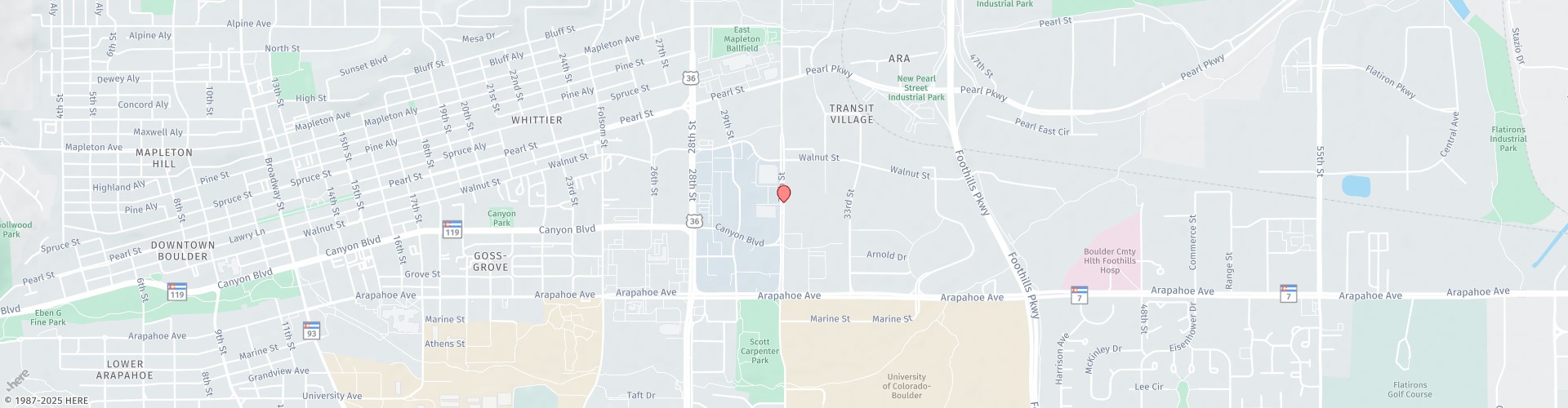
1810 30th Street
Boulder, CO 80301
Tags: boulder, Colorado, dentist, dentistry, Las Vegas Institute for Advanced Dental Studies, LVI
Repairing Broken Tooth | Fractured Tooth

- Katie after the accident
With just a slip of the foot, Katie’s appearance was instantly changed. After slipping on ice and falling face first, Katie was left with at least two of her upper front teeth broken. A large portion of her upper left middle tooth was fractured off and her upper right tooth next to the middle was also chipped. She immediately sought treatment from Dr. Adler of Adler Cosmetic & Family Dentistry. Dr. Adler examined the damaged area using the aid of both x-rays and an interoral camera to help diagnose the multiple fractures that were not apparent to the naked eye and to determine the extent of the damage. Teeth #7 and 9 were visibly broken so Dr. Adler placed composite bond on the teeth as a temporary solution to restore the aesthetic look of the teeth until permanent restorations could be completed. Tooth #8 did not appear visibly damaged but the interoral camera did reveal that the tooth was fractured. Dr. Adler suspected that the tooth was more heavily damaged than it appeared since the teeth on both sided had visible damage due to the impact. A week after the fall, a portion of tooth #8 broke off due to the trauma it sustained during the accident. Dr. Adler determined that porcelain veneers should be placed on teeth #7-10 to restore the patient’s smile to its original brilliance.
-

- Katie after the accident
Tooth #10 (upper left tooth, second from the middle) did not have any visible fractures but needed to be restored partly as a precaution since not all damage from a fall is immediately apparent and mostly for aesthetics. It is recommended that front teeth especially should be restored in sets of two to insure that the patient’s smile remains symmetrical. Tooth #10 was already shorter than its counter part #7, so if Dr. Adler was to only restore the teeth that had visible fractures (# 7-9), then tooth #10 would appear short and out of place, giving the patient an uneven smile.
A veneer is a thin shell of porcelain that is bonded to a tooth to improve its color or shape. A veneer generally covers only the front and top of a tooth. Veneers can be used to close spaces between teeth, lengthen small or misshapen teeth, or whiten stained or dark teeth. When teeth are chipped, as in Katie’s case, or beginning to wear, veneers can protect them from damage and restore their original appearance.

Katie's Teeth After
Katie’s four upper front teeth were first shaped and roughened to prepare them for the veneers. Impressions were then taken of the teeth and sent to Aurum Ceramic Dental Laboratory, where the veneers were artistically custom crafted. Once the veneers had returned from the lab, they were cemented onto Katie’s teeth using a durable adhesive bond. The bond was then cured with a harmless high-intensity light. The pain Katie initial experienced from the accident was relieved after the veneers were placed. The final results were a beautiful and natural looking smile.
Trauma cause to a tooth in a fall can take several months before all the damage is known. A root can be fractured but not cause symptoms for several months after the accident. Dr. Adler was concerned that Katie might eventually need a root canal for that very reason. With this in mind, Dr. Adler specifically designed the veneers to allow an access opening for a root canal without damaging the porcelain restorations if one was needed at a later time.

Katie's Beautiful Smile After
Four months after the fall, Katie did begin to have symptoms in tooth #8 that warranted a root canal. The blood supply to the tooth was likely damaged in the accident but was not symptomatic until several months later. Dr. Adler referred Katie to Dr. Joseph Parsons of Boulder Endodontics, P.C. for the root canal. Dr. Parsons successful performed the root canal and the veneer was not damaged in the procedure. Because symptoms can develop long after the accident continuous follow up is needed to monitor the tooth’s nerves.
Katie is good as new and now her brilliant smile is the best ice breaker of all.
Tags: boulder, Colorado, cosmetic dentist, Cosmetic Dentistry, dentistry
Creating beautiful smiles to last a lifetime.